THE DESERT DREAM: THE DAY AI CAUGHT FIRE
And the same missile strike that just cornered Big Tech could hand everyday investors the rarest thing in the market: a ground-floor seat in a brand-new monopoly, starting with as little as $200.
I have only crossed paths with the man I call the "Architect" three times in my entire life.
He is one of the most brilliant, paranoid, and fiercely private engineers in Silicon Valley.
He builds the physical infrastructure that makes your smartphone, your internet, and your bank accounts actually work.
The first time I met him was in a dimly lit steakhouse in Seattle back in 2019.
He was exhausted.
He had just returned from a confidential business trip to the Middle East.
He leaned over his scotch and told me a secret that sounded crazy at the time.
He said…..
"We aren't just building data centers anymore.
We are building the biggest, most expensive trap in human history.
And when it snaps shut, it's going to paralyze the American economy."
I didn’t fully understand what he meant that night.
I’ll tell you about the second time we spoke in just a minute.
It involves a frantic phone call….
A classified Pentagon threat assessment….
And a radical, multi-trillion-dollar pivot that most investors won't hear about until it’s too late.
But first, you need to turn on your television.
You need to look at the footage coming out of the Middle East right now.
You might think the escalating war in Iran is just another chapter of the same old religious and land disputes we have seen for decades.
You might have been led to believe that the missiles flying across the Middle East are all about controlling the global oil supply.
When actually... this has nothing to do with oil at all.
This is the first true "AI War" in human history.
And the United States is currently losing.
Look past the mainstream media headlines.
They are missing the biggest financial story of the decade.
The real target in this conflict isn't military bases.
It isn't oil refineries.
It is the physical buildings that power the trillion-dollar American AI boom.
For the last six years, U.S. tech giants have been quietly packing and moving out of the country.
Companies like Amazon, Google, and Microsoft realized that artificial intelligence requires a large amount of electricity.
AI servers run incredibly hot.
They devour power.
If you try to build a massive AI data center in California or New York…
You run into immediate problems.
You have to deal with sky-high energy costs.
You have to navigate a mountain of red tape.
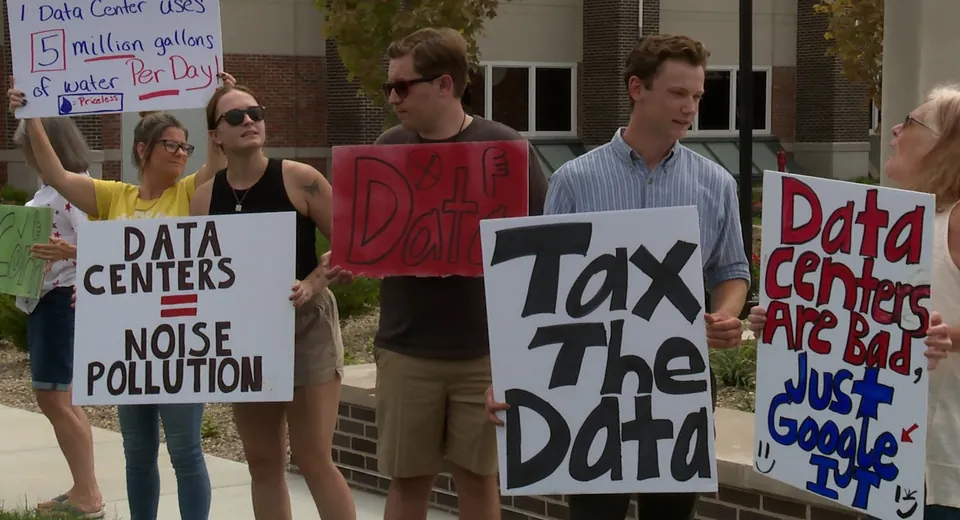
And you have to fight off armies of loony environmentalists protesting the massive water and power usage.
So, Big Tech found a backdoor.
They looked overseas. They looked to the United Arab Emirates, (UAE).
The UAE is a strong ally of the U.S.
More importantly, energy in that region costs literal pennies on the dollar.
There is virtually zero regulation.
There are no protestors chaining themselves to bulldozers.
It was a corporate paradise.
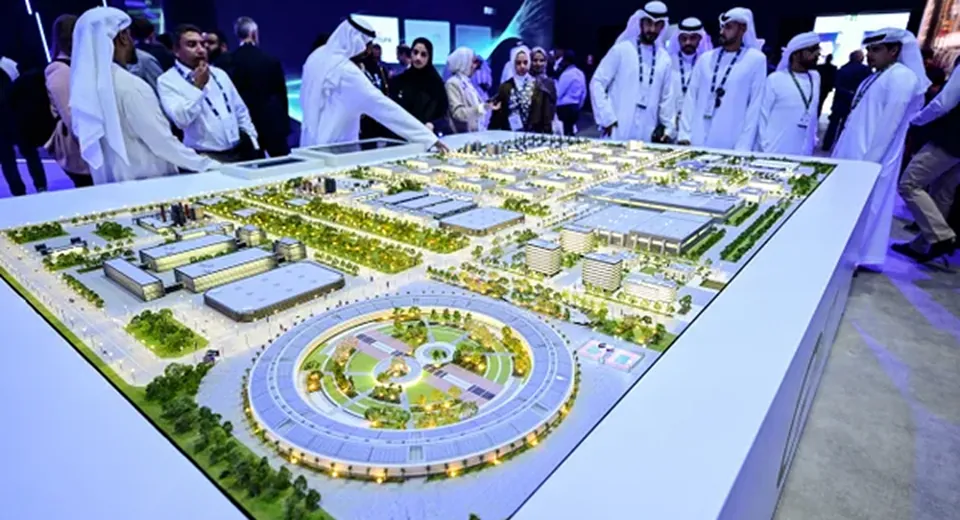
U.S. companies poured hundreds of billions of dollars into the desert…
Partnering with local governments to build the most advanced, power-hungry data centers on Earth.
They chased cheap energy and completely ignored the global time bomb they were building on top of.
They thought they were untouchable.
Over the past couple of months….
That illusion was shattered into a million pieces.
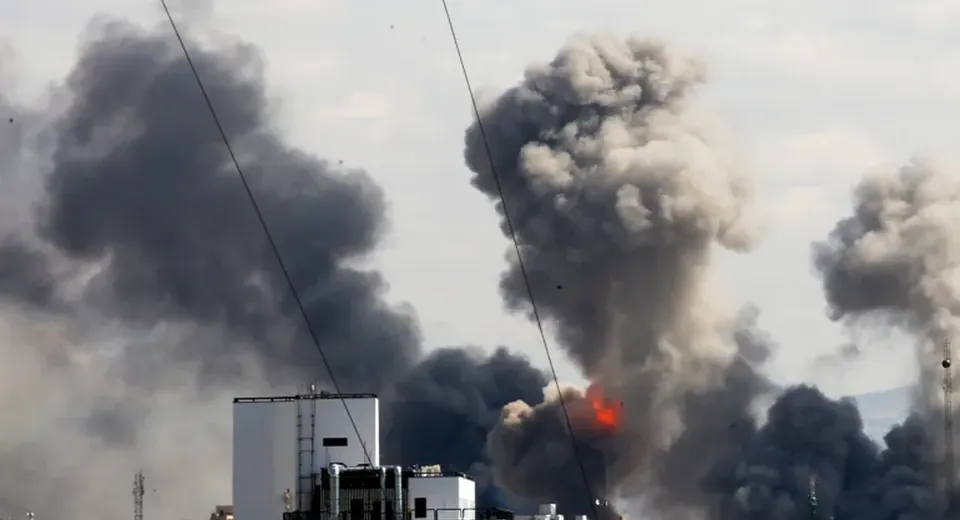
As Iran began firing missiles at its neighbors, the unthinkable happened.
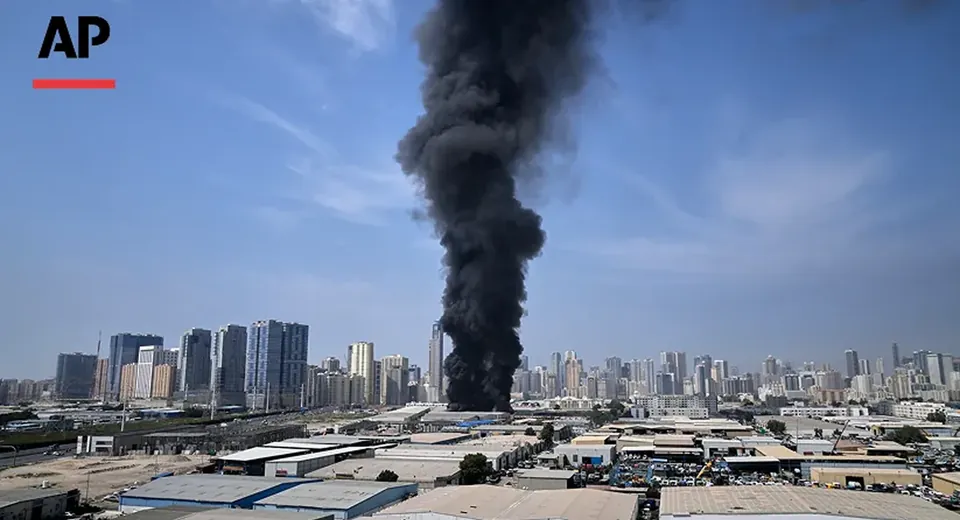
Data centers built and operated by Big Tech in the UAE were taking a direct hit.
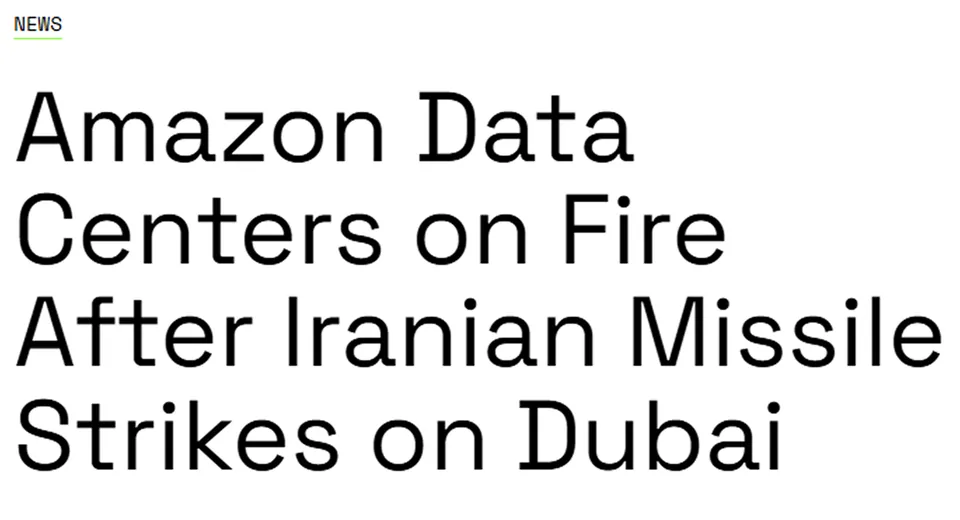
The buildings didn't just go offline, they were physically destroyed.
"AI" isn't magic.
It is just metal, wires, and servers sitting in a building.
And a drone strike can turn all of that into a pile of burning rubble in a matter of seconds.
This is the exact moment the trap snapped shut.
The moment the Architect warned me about back in 2019.
Which brings me to the second time I spoke to him.
It was early 2026.
The AI boom was massive.
ChatGPT was everywhere.
Tech stocks were exploding.
My phone rang at 2:00 AM. It was him.
He didn't say hello.
He just said…
"They finally realize they messed up.
The Middle East is too unstable.
You cannot power the American tech sector from an active warzone."
He told me the board members of every major tech company were in a blind panic.
They realized their trillion-dollar AI models were sitting ducks.
They were physically vulnerable to foreign enemies.
Iran doesn't need to write complex computer viruses to hack American systems.
They just need to launch cheap rockets at the buildings hosting the servers.
"So what do they do?
Do they bring the data centers back to the U.S.?"
I asked him over the phone.
"No," he laughed..
"We don't have the grid for it.
We don't have the cheap power.
The environmentalists will block every permit."
"So where do they go?"
That is when he told me about the single most ambitious, closely guarded infrastructure project in modern history.
He told me about the "Off-World Protocol."
He explained that data centers need to be spread out.
They need cheap, limitless energy.
They need zero regulations.
And they need to be completely immune to war on Earth, missile strikes, and border disputes.
There is only one place left that fits that description…
You have to take the data centers outside of Earth.
I’ll share the details of my third and final conversation with the Architect with you in just a moment.
That conversation is the reason I am writing to you today.
It is the key to an unfair bet that could hand early investors generational wealth over the next 18 months.
But to grasp the sheer scale of this opportunity..
You have to understand why the smart money is completely abandoning the ground we walk on.
Think about the sheer panic happening in Silicon Valley boardrooms for the past couple of months.
The Amazon strike proved the Middle East is no longer a viable home for U.S. tech.

The "cheap energy" loophole is dead.
Every single company rushing to build the next great AI model is now facing a make-or-break moment.
If they build in America, they go bankrupt paying for electricity and fighting regulations.
If they build overseas, their investments get blown up by unpredictable nations.
They are trapped.
But a small, highly secretive group of engineers and aerospace pioneers saw this exact bottleneck coming years ago.
They realized that space is the ultimate, untouchable safe haven.

Up in space, there are no zoning laws.
There are no environmental protests.
More importantly, there is infinite, free solar energy shining 24 hours a day, 7 days a week.
You don't need billions of gallons of fresh water to cool the servers.
You just vent the heat directly into the freezing vacuum of space.
It sounds like science fiction.
But I assure you…
The billionaires pulling the strings of the global economy are dead serious.
They are currently pouring massive amounts of capital into a handful of under-the-radar aerospace and satellite companies.
They are scrambling to build 'Orbital AI' infrastructure before the next missile hits a target on the ground.
This is a massive, invisible economic shift unfolding right above our heads.
It is a complete rewiring of the internet itself.
When the mainstream media finally catches on to what is happening…
The stock prices of the tiny companies building these orbital data centers will be completely out of reach for regular mom and pop investors.
The institutional gatekeepers will have already locked down the profits.
But because of the recent chaos in the Middle East…

The timeline has been drastically accelerated.
The window to get in early is closing fast.
Which brings me to the third and final time I spoke to the Architect.
We met just a few weeks ago in a quiet coffee shop just outside of San Jose.
He didn't look exhausted this time…
He looked like a man who had just cracked the greatest code in financial history.
He sat down, didn't bother ordering a drink, and slid a plain folder across the table.
"The migration has officially started," he told me.
"The Middle East is burning.
The earth-based grid is maxed out.
Big Tech is completely cornered. But there is a backdoor."
I opened the folder…
Inside was a single sheet of paper with one name printed on it.
Elon Musk.
You might think you already know what Elon Musk is up to.
You might have been led to believe that his ambitions are entirely focused on building electric cars..
Putting microchips in people's brains..
Or launching billionaires on joyrides to Mars.
When actually...
That is nothing but a distraction for the mainstream media.
Behind closed doors..
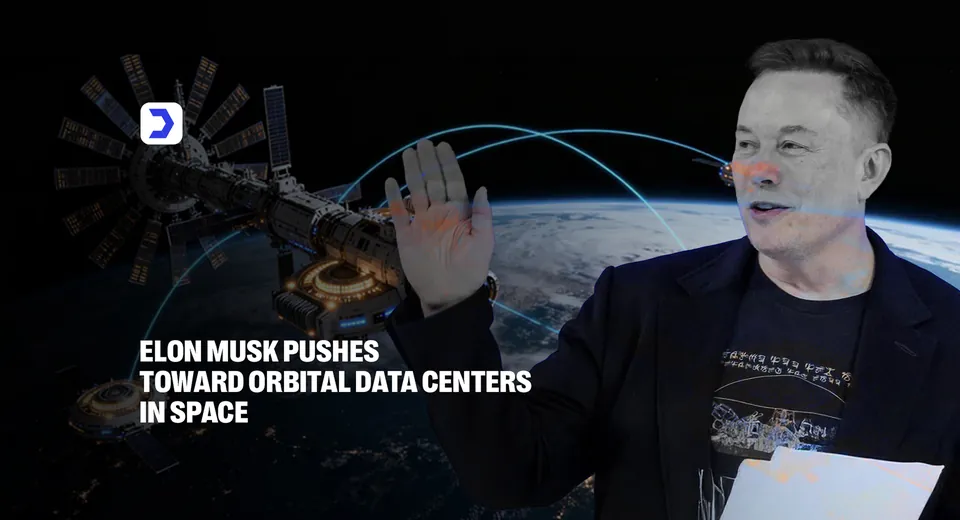
Musk has been quietly building the exact infrastructure needed to rescue the trillion-dollar AI industry from its ground-based death trap.
Think about it logically.
If Amazon, Google, and Microsoft want to move their AI data centers into space to escape the warzones and the power grid bottlenecks...
How do they physically get them up there?
They have to pay the tollman.
And right now, there is only one tollman on Earth.
For the last two decades…
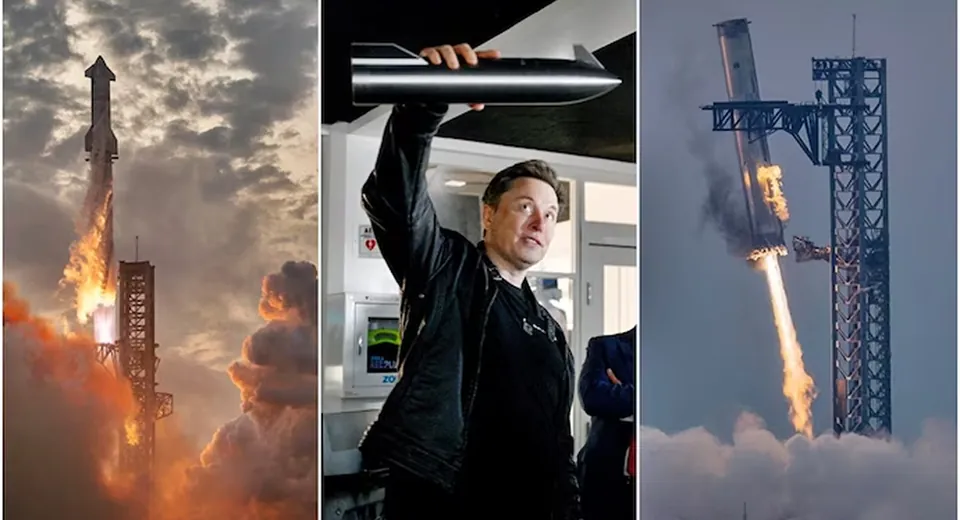
While Wall Street laughed at him, Musk was perfecting reusable rockets.
He drove the cost of launching cargo into space to record lows.
Today, his company accounts for an estimated 99% of all stuff sent to space.
It is a new, untouchable monopoly.
But he isn't just providing the transportation.
He is building the space data centers himself.
The Architect looked me dead in the eye and explained the final piece of the puzzle.
Musk recently merged his space company with his private AI company.
He is preparing to launch a massive array of specialized AI satellites directly into orbit.
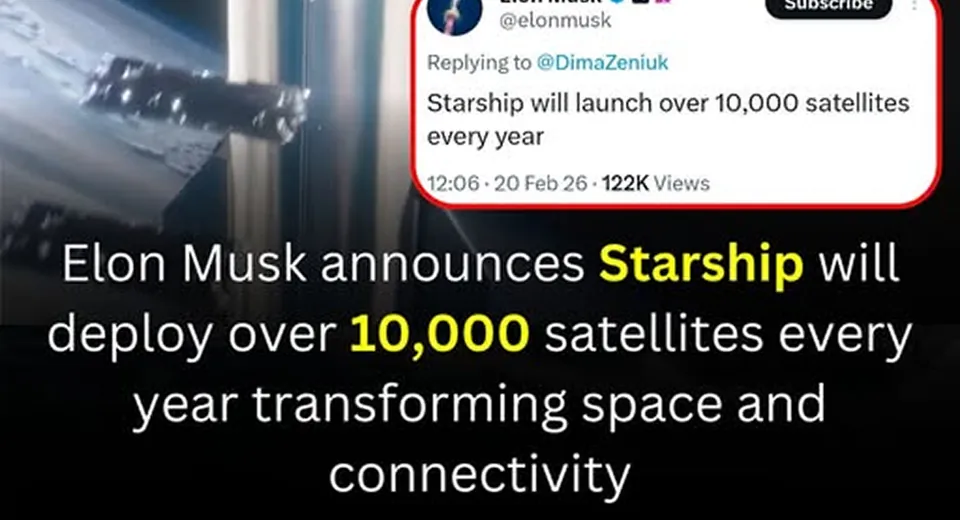
Up there, they will soak in 24/7 free solar energy.
They will cool themselves in the minus 250-degree vacuum of space.
They will be completely immune to Iranian missiles, power grid failures, and environmental regulations.
It is the ultimate "infinite money glitch" for the AI era.
And right now…
The most powerful tech companies on the planet are scrambling, utterly desperate to catch up.
Amazon is pouring billions into its own rocket company.
Google's former CEO is buying up aerospace startups.
Nvidia is backing outer space data center projects.
They are all trying to copy Musk.
But they are years, if not decades, behind.
"So how do we play this?"
I asked the Architect.
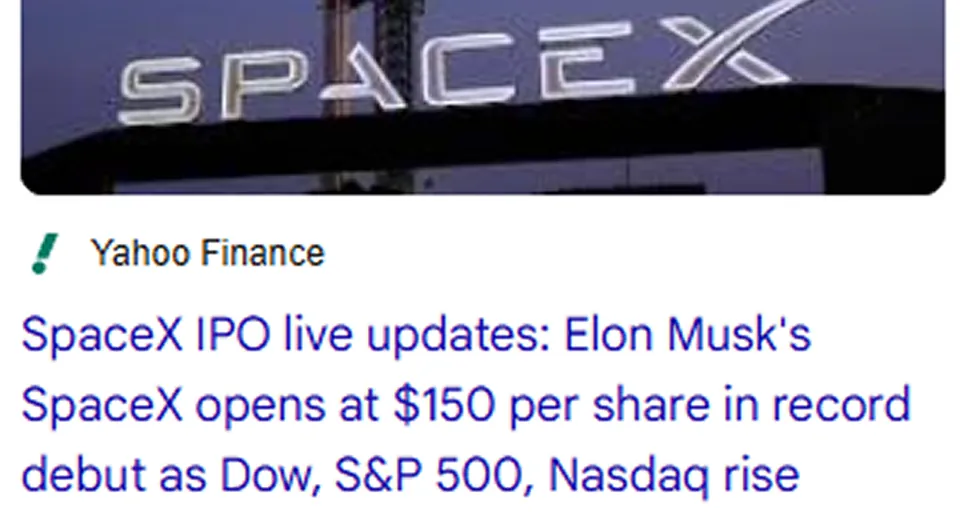
"Musk's space company just went public. Everyone and their mothers are buying Spacex shares.."
He smiled.
"That is the best part. We aren’t buying SpaceX."
For years, Musk has fiercely resisted taking his space monopoly public.
He hated the regulatory burden.
He hated being under the Wall Street spotlight.
But building a literal World Wide Web of AI supercomputers in space requires billions of dollars in fresh capital.
To fund this final AI masterplan, he made the company public.
And this is where your opportunity comes in.
You might think SpaceX is the right move to make right now.
When actually...
It’s not the best move to make.
Here’s why…
For weeks the talking heads on mainstream media have been screaming about SpaceX….
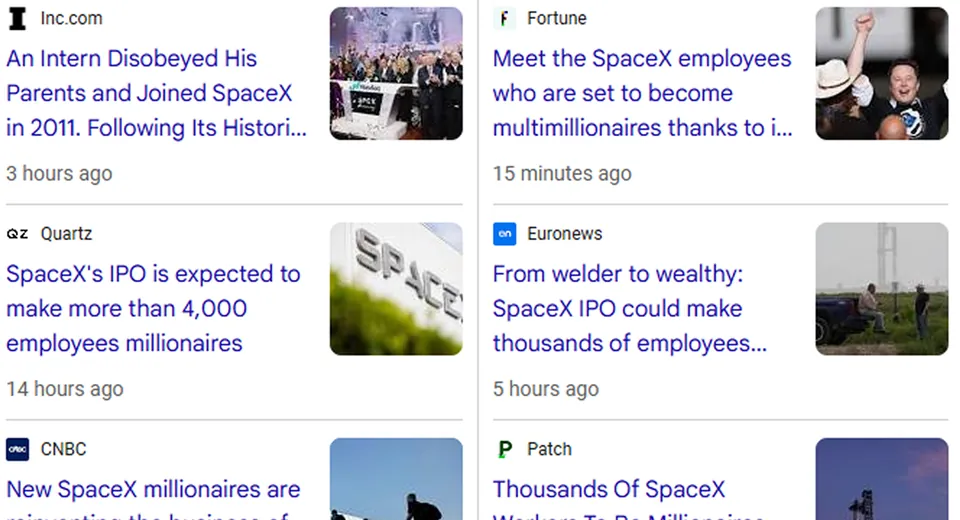
And that’s a huge problem for you, because that means the chance for big gains is gone.
But this is where the Architect says we’ll find the biggest opportunity of our lifetime.
"We are betting on the one tiny company keeping his entire operation from burning alive. "
You see, sure space has free cooling and infinite solar power.
But space is also a radioactive wasteland.
Sudden solar flares erupt constantly and hit satellites with intense radiation.
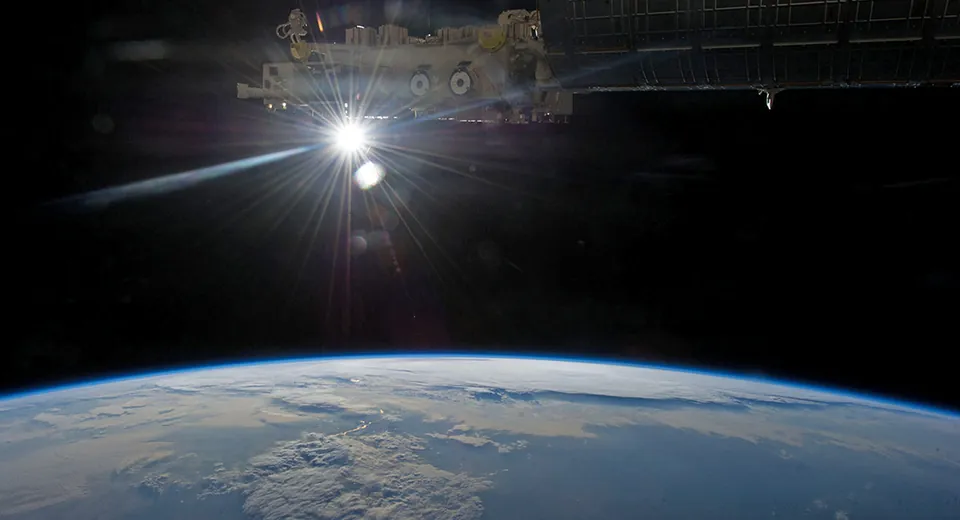
If a solar flare hits an unprotected AI data center it fries the electronics instantly.
Billions of dollars in infrastructure would be wiped out in a fraction of a second.
Musk cannot just send standard chips into space and hope for the best.
He needs a shield.
He needs highly specialized radiation-hardened components known as “rad-hard” chips to protect these space-based data centers.
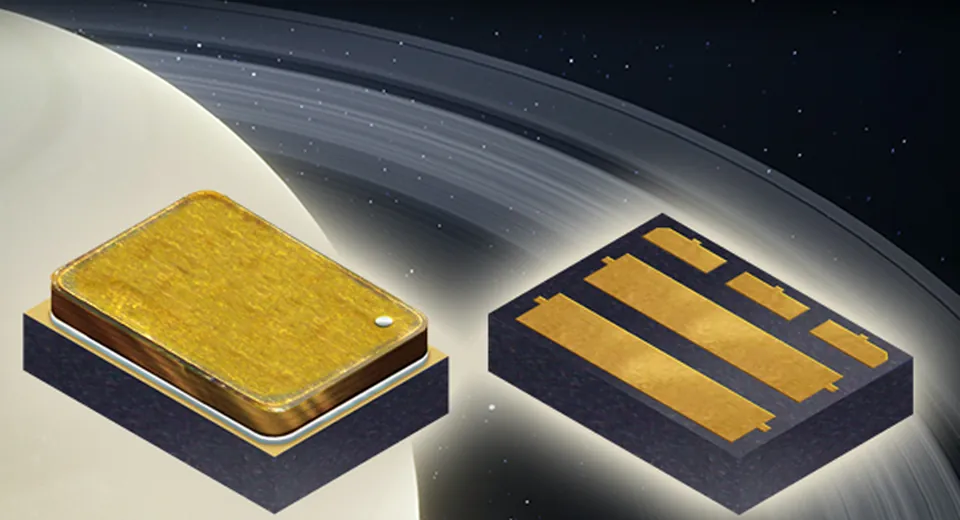
And he is quietly buying them by the billions from one hidden supplier.
This company is unknown to the average joe and mainstream media…
As it’s over a hundred times smaller than the Big Tech giants…
But it holds the absolute key to making space-based AI a reality.
Without this tiny supplier, the whole move to space collapses.
When Wall Street finally realizes Musk is entirely dependent on this one hidden chipmaker, the valuation could skyrocket.
You might think you need to be an accredited investor or have millions in the bank to get in on a backdoor tech deal like this.
When actually you can claim your stake in this outer space AI monopoly right now from your computer starting with as little as $200.
But you have to move with absolute urgency.
A former senior tech executive has been tracking this exact “Off-World” AI migration.
He just released an urgent uncensored briefing detailing the exact mechanics of Musk's AI masterplan and the name of this hidden supplier.
More importantly….
He has outlined the exact steps everyday Americans can take to prepare for the institutional stampede.
He reveals the specific backdoor strategy to claim your stake before Musk makes his upcoming launch announcement.
If you wait until this hits the front page of the Wall Street Journal…
Or until you see the talking heads screaming about it on CNBC…
The biggest gains will already be gone.
The institutional gatekeepers will have locked you out…
Leaving you with nothing but the table scraps.
Do not let the “smart money” leave you behind on Earth while they secure their wealth in space.
Click the Video Below to View the Urgent Briefing and See How to Claim Your $200 Stake Before the Window Slams Shut